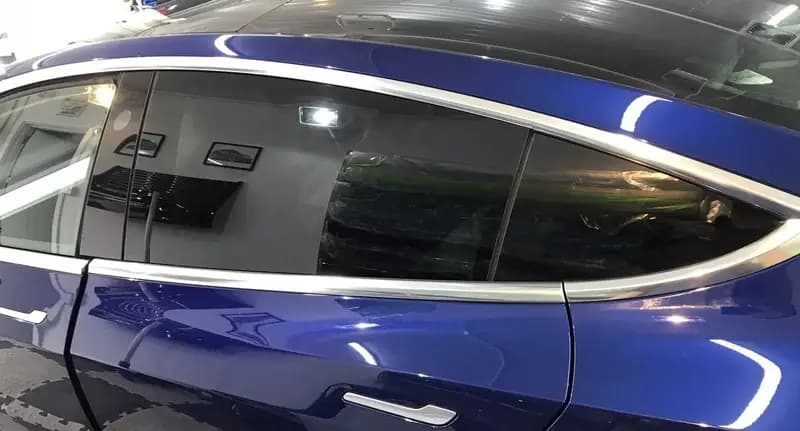
Car window tint
Car Window Tinting in Ottawa
Quality tint film that blocks up to 99% of UV rays, cuts glare and protects your interior from fading and cracking, installed for a clean, seamless fit on every window.
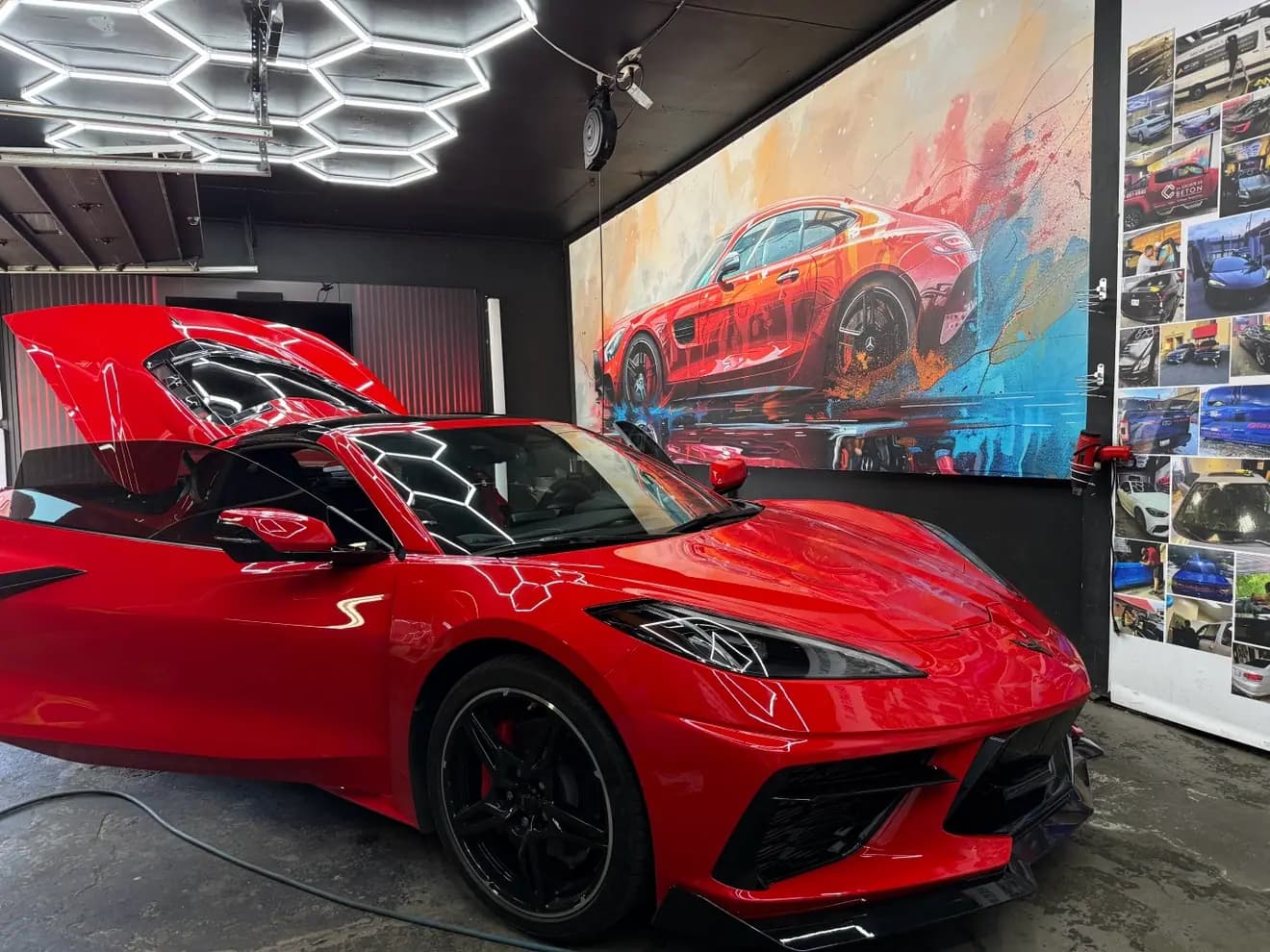
Lifetime warranty
Covers bubbling, peeling, cracking and fading for as long as you own the vehicle.
Bubble-free guarantee
Stable colour and a clean finish on every window.
20+ years, 5K+ cars
Experienced installers using SunTek, LLumar and Solar Gard film.
Same-day service
Same-day appointments and walk-ins welcome, subject to availability.
Why tint your car windows?
Window tint is one of the most popular upgrades a car owner can make. Quality film blocks up to 99% of harmful UV rays, which protects you and your passengers from sun exposure and keeps the upholstery, dashboard and trim from fading and cracking. A faded, cracked interior lowers a car's resale value, so tint protects your investment as well as your comfort.
Tint also rejects heat. By reflecting and absorbing solar energy, film can lower the temperature inside the car by up to 60%. The cabin stays more comfortable and the air conditioning works less hard, which helps fuel economy.
Safety and privacy
Less glare from the sun and from headlights means better visibility for the driver. If a window breaks in an accident, the film can help hold the glass together and reduce injuries from flying shards. Tint also makes it harder for passers-by to see inside, so anything you leave in the car is less of a target.
Why drivers choose Mr Tinter
- Experienced installers. More than 20 years of professional car window tinting, and over 5,000 cars tinted.
- Clean results. Stable colour and no bubbles, backed by our bubble-free guarantee.
- Quality film. We install SunTek and LLumar films by Eastman, and Solar Gard films, all backed by a lifetime warranty.
- Same-day service. Same-day appointments and walk-ins are welcome, subject to availability. Call (613) 263-3838 ahead to skip the wait.
Types of car window tint
Each type of film has its own strengths. Knowing the differences helps you choose on heat rejection, UV protection, privacy and looks.
Dyed film
The most basic and budget-friendly option. Layers of dyed film absorb solar heat, cut glare and add privacy with a non-reflective look. It blocks less UV than other films and can fade over time.
Metalized film
Tiny metallic particles in the film reflect sunlight and heat to keep the car cooler. It is durable and scratch-resistant with a sleek, reflective look, but it can interfere with GPS, radio and cellphone signals.
Carbon film
Carbon film blocks heat and UV without the downsides of metalized tint. It will not fade, keeps a dark, matte, non-reflective look and keeps the car cool. It costs more than dyed or metalized film.
Ceramic film
Non-conductive, non-metallic ceramic particles filter out the most heat and UV with excellent clarity and no interference with electronics. It is naturally non-reflective, long-lasting and our premium option. Learn more about ceramic window tint.
Hybrid film
Dyed and metalized layers combined for good heat rejection and UV protection at a reasonable price. It is less reflective than a purely metalized film, so there is less signal interference.
Car window tinting prices
- Full car tint, carbon film: from $249
- Two front windows: from $119
- Full car tint, ceramic film: from $320
The final price depends on the size of the vehicle and the film you choose. Call (613) 263-3838 or ask for a free quote for your exact price. Driving a Tesla? See Tesla window tinting.
Tint shades
The shade number is roughly the share of visible light the film lets through. Every shade below rejects 99% of UV.
| Shade | Light allowed in | UV rejected |
|---|---|---|
| 5 | 6% | 99% |
| 20 | 22% | 99% |
| 35 | 34% | 99% |
| 50 | 55% | 99% |
| 70 | 69% | 99% |
What car window tint is legal in Ottawa?
Ottawa follows Ontario's rules. Two separate sets of rules apply: the Highway Traffic Act (HTA), which applies on the road, and the Ministry of Transportation's safety inspection standard, which a vehicle must meet to pass a safety inspection.
- Windshield. No aftermarket tint or coating that obstructs the driver's view (HTA s. 73). The inspection standard fails aftermarket tint on the windshield for newer vehicles; some pre-2017 vehicles allow a narrow strip at the top.
- Front side windows. On vehicles built on or after January 1, 2017, the film plus the glass must still let about 70% of light through to pass a safety inspection under the inspection standard. On any vehicle, the film may not substantially obscure the interior when viewed from outside (HTA s. 73(3)).
- Rear side windows. The inspection standard sets no percentage limit. The HTA's driver-view and mirror rules still apply (HTA s. 74).
- Rear window. The inspection standard sets no percentage limit. If the rear window is dark, the car must have mirrors that give a view to the rear (HTA s. 74(2)).
Rules may differ for SUVs, vans and older vehicles; call us to check yours.
Tint rules in the rest of Canada
Each province sets its own tint rules, so a shade that is fine elsewhere may not suit an Ontario car. The guidance above is for Ontario. We help every customer pick a shade that fits the rules for their vehicle before we install.
Caring for your tinted windows
- Let it dry. Allow a few days to two weeks for the film to dry fully, and do not roll the windows down during that time.
- Clean gently. Use a mild, ammonia-free cleaner and a soft or microfibre cloth.
- No abrasives. Avoid abrasive sponges or rough cloths that could scratch the film.
- Watch sharp objects. Keep seatbelt buckles, keys and other sharp items away from the tint.
- Inspect regularly. Check for peeling, bubbling or discolouration and deal with any problem early.
- No stickers. Do not put adhesives or stickers on tinted windows; removing them can damage the film.
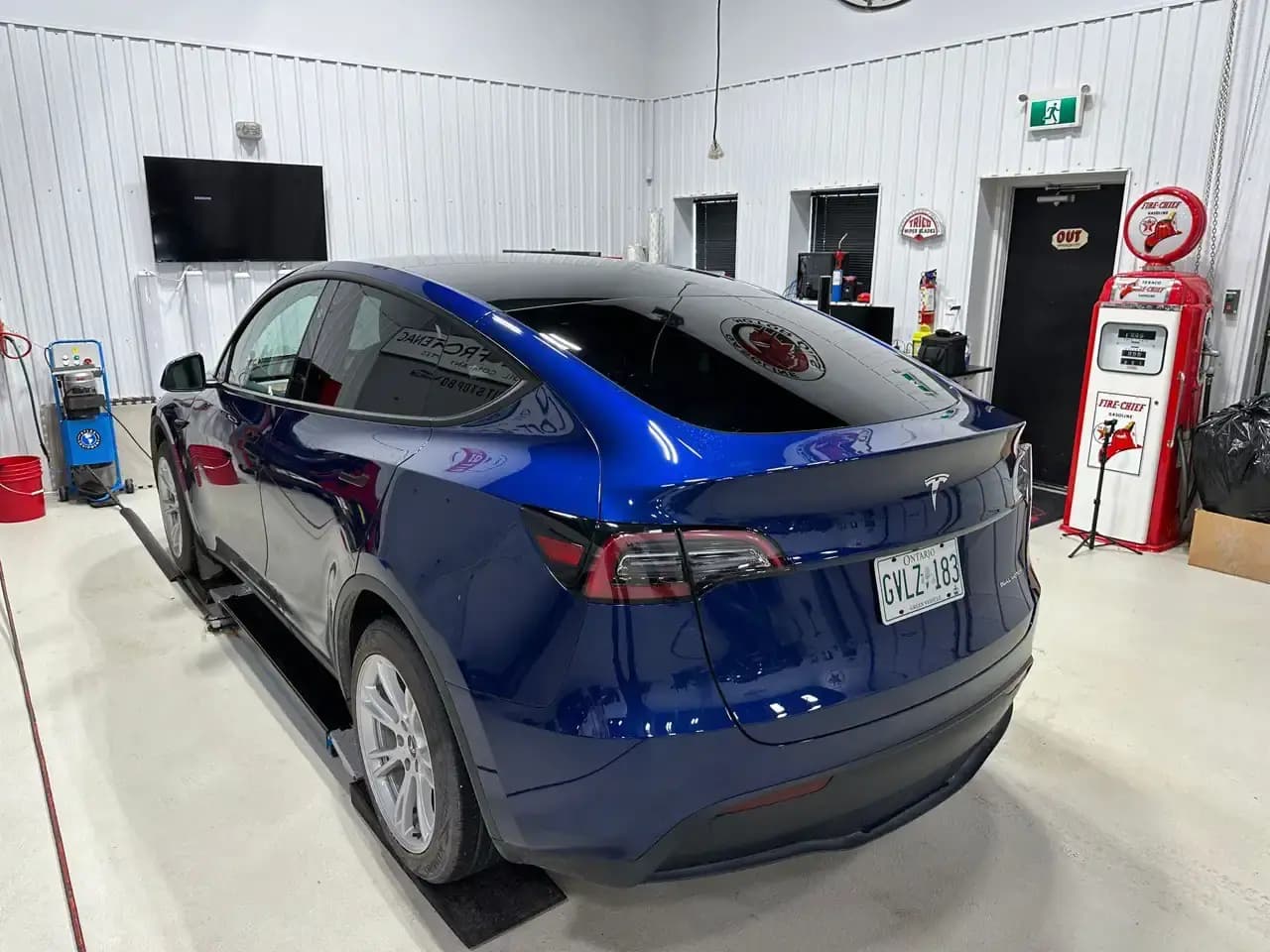
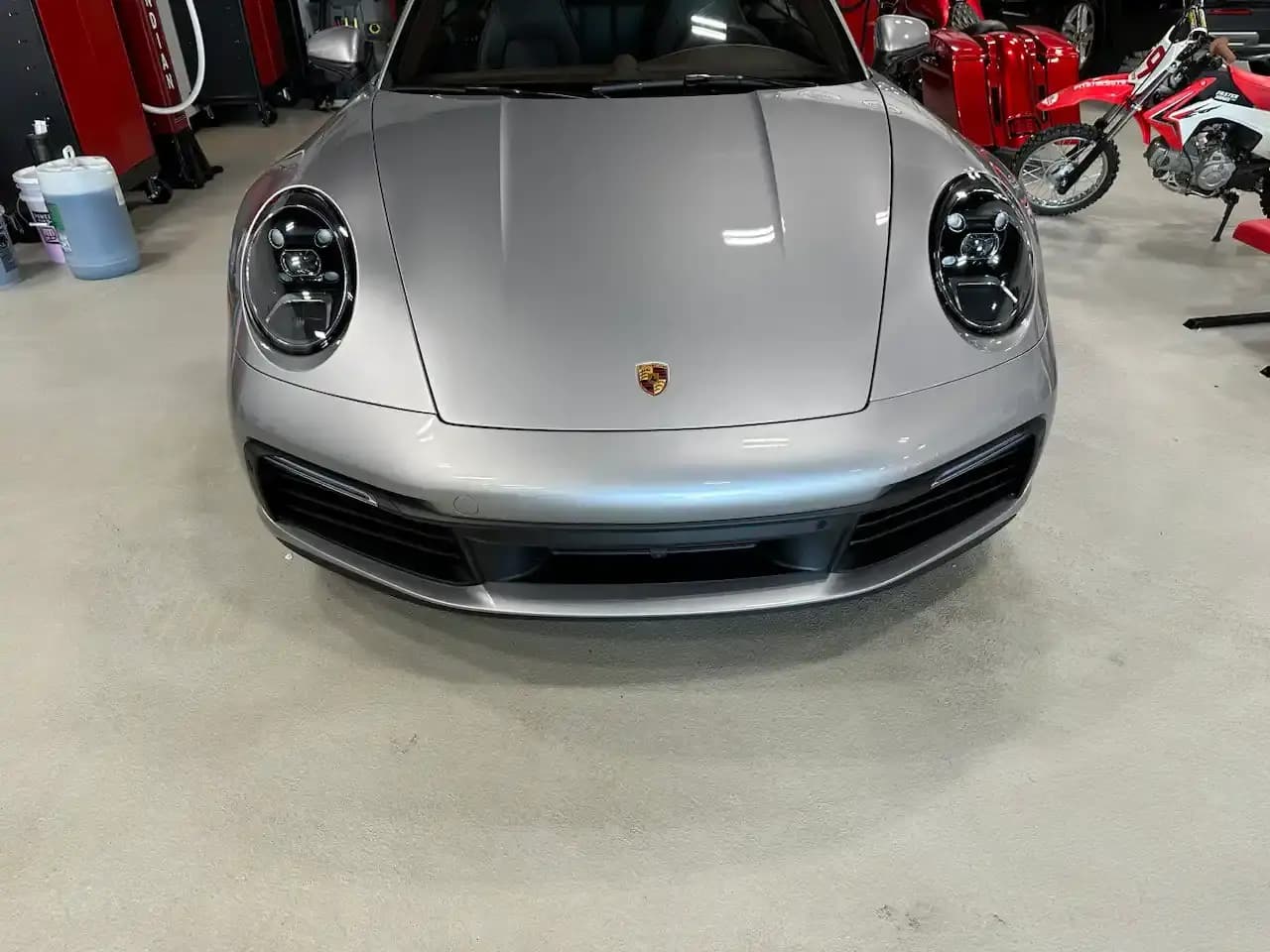
Our work
From the shop floor
Questions
Common questions
Not covered here? Call (613) 263-3838.
What shades of window tint do you offer?
We offer 5% (the darkest, often called limo tint), 15%, 20%, 30%, 35%, 50% and 70% (the lightest). Darker shades give more privacy; lighter shades keep more visibility while still cutting glare and UV.
How long is the warranty on your window tinting?
Our tint carries a lifetime warranty: as long as you own the vehicle, it is covered against bubbling, peeling, cracking and fading. If a problem comes up, bring the car back and we will fix it at no extra cost.
How long does it take to tint a car?
About 2 hours for all side windows plus the rear windshield. That includes preparing the glass, applying the film and a final inspection.
What car window tint is legal in Ottawa?
On vehicles built on or after January 1, 2017, front side windows (film plus glass) must still let about 70% of light through to pass a safety inspection. The rear side and rear windows have no percentage limit in the inspection standard, but a dark rear window needs mirrors that give a view to the rear. Rules may differ for SUVs, vans and older vehicles; call us to check yours.
Which type of tint should I choose?
Ceramic gives the best heat rejection and clarity with no signal interference. Carbon gives a dark matte look with strong heat blocking at a lower price. Dyed film is the budget option for privacy and glare. Call us and we will help you choose for your car and budget.
Do you take walk-ins?
Yes. Same-day appointments and walk-ins are welcome, subject to availability. Call (613) 263-3838 ahead to skip the wait. We are open every day from 9:00 to 19:00.
Related services
More ways to protect your car
Free quote
Tell us about your vehicle
We reply with an exact price for your car and the film you want. Prefer to talk? Call (613) 263-3838, open every day.
Request a quote
Takes under a minute.
Ready to tint your windows?
Call now to book your tint. Same-day appointments and walk-ins welcome.